The Ultimate Guide to Cricket Bats
From Ancient Willow to Modern Masterpieces
A Journey Through Time: The Evolution of Cricket Bats
The cricket bat's story begins in the 17th century, though it would be barely recognizable to modern eyes. Early bats resembled hockey sticks—curved at the bottom and designed for a completely different bowling style. As the game evolved and bowling techniques changed from underarm to overarm, so too did the bat.
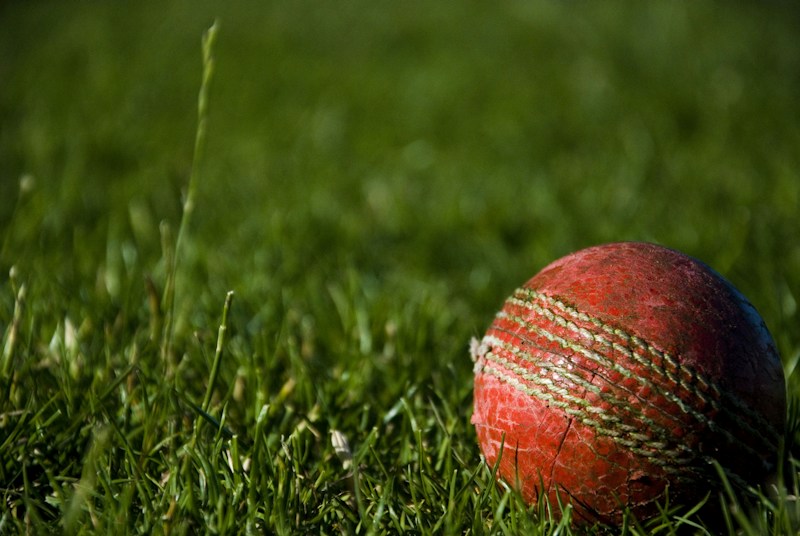
The evolution of cricket equipment mirrors the development of the game itself
By the 1770s, the curved shape had given way to the straight blade we know today. The Laws of Cricket, first codified in 1744, eventually standardized bat dimensions. In 1771, a player named Thomas "Shock" White arrived at a match with a bat wider than the stumps themselves, prompting the immediate introduction of width restrictions. Today's regulations limit bats to 38 inches in length and 4.25 inches in width—dimensions that have remained largely unchanged for over two centuries.
The Science of Willow: Why This Wood Reigns Supreme
English Willow
The gold standard for cricket bats, English willow (Salix alba var. caerulea) grows primarily in Essex and East Anglia. This premium wood offers the perfect combination of lightness, strength, and elasticity. The unique cellular structure allows it to compress upon impact and spring back, generating the power and control cricketers demand.
Kashmir Willow
A more affordable alternative, Kashmir willow comes from the Himalayan region. While heavier and less responsive than its English cousin, it provides excellent durability and represents an ideal choice for beginners and casual players. The wood requires different pressing techniques and typically has a shorter lifespan.
The Journey from Tree to Bat
English willow trees are typically harvested at 15-20 years old. The process from tree to finished bat involves multiple stages:
- Harvesting: Trees are felled during winter when sap levels are lowest
- Seasoning: Clefts are air-dried for 6-12 months to achieve optimal moisture content
- Grading: Wood is sorted by grain count, with 6-12 straight grains considered premium
- Shaping: Master craftsmen shape the blade, handle, and splice
- Pressing: The blade face is compressed to optimize performance
- Finishing: Handles are fitted, grips applied, and protective finishes added
Anatomy of a Cricket Bat: Understanding the Components

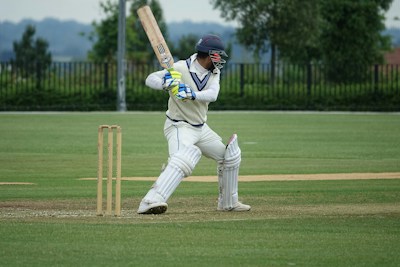

The Blade
The blade is the heart of the bat, and its profile has evolved dramatically. Modern bats feature varying profiles—from traditional to modern "big edge" designs with pronounced spines and thicker edges. The "sweet spot" is the area of maximum power, typically located in the middle of the blade where grain compression is optimal.
The Handle
Crafted from cane willow strips wound together, the handle provides shock absorption and flexibility. The number of grips (usually 1-3) affects the feel and thickness. The splice—where handle meets blade—is a critical junction that must withstand enormous forces during play.
The Toe and Edges
The toe (bottom of the blade) and edges have become progressively larger in modern bats. Today's bats can have edges exceeding 40mm thick, compared to the 15-20mm of vintage models. This evolution reflects changes in playing style and the demands of limited-overs cricket.
Choosing Your Perfect Bat: A Comprehensive Guide
Weight and Balance
Cricket bats typically range from 2lb 7oz to 3lb for adults. However, weight alone doesn't tell the full story. Pick-up—how the bat feels when lifted—is equally crucial. A well-balanced bat can feel lighter than its actual weight due to proper weight distribution.
Finding Your Ideal Weight
- Youth players (under 12): 2lb - 2lb 4oz
- Teenagers (13-16): 2lb 4oz - 2lb 8oz
- Adult beginners: 2lb 7oz - 2lb 9oz
- Experienced players: 2lb 8oz - 2lb 11oz
- Power hitters: 2lb 10oz - 3lb+
Testing multiple bats helps identify the perfect match for your playing style
Blade Profile
Different profiles suit different playing styles:
- Low Middle: Ideal for players who favor drives and ground shots
- Mid-to-High Middle: Versatile option for all-round play
- High Middle: Perfect for pull shots and aggressive batting
Grain Quality
While aesthetically pleasing, grain count (6-12 straight grains is premium) primarily indicates how the tree grew. More grains suggest slower growth and potentially better performance, but grain alone doesn't guarantee quality. The pressing and preparation matter just as much.
Caring for Your Cricket Bat: Maintenance Essentials
Knocking In (Breaking In Your Bat)
New bats require a crucial preparation process called knocking in, which typically takes 4-6 hours spread over several days. This process compresses the willow fibers, reducing the risk of cracking and optimizing performance.
The Knocking-In Process
- Oil Application: Apply 2-3 teaspoons of raw linseed oil to the blade face (avoid toe and edges)
- Initial Knocking: Use a wooden mallet to gently strike all areas of the blade for 2-3 hours
- Gradual Intensification: Increase striking intensity over subsequent sessions
- Ball Bouncing: Graduate to bouncing an old cricket ball on the bat
- Net Practice: Start with gentle throwdowns before facing bowlers
Ongoing Maintenance
Regular care preserves your bat's lifespan and performance. Store bats in cool, dry conditions away from extreme temperatures. Lightly sand any rough spots with fine sandpaper. Apply linseed oil sparingly every few months. Use an anti-scuff sheet for toe protection, and consider fiber tape for edge reinforcement.
The Modern Bat Revolution: Technology Meets Tradition
The 21st century has witnessed unprecedented innovation in bat design. Computer-aided design (CAD) enables manufacturers to optimize weight distribution with millimeter precision. Advanced pressing techniques allow for larger profiles without compromising durability. Carbon fiber handles reduce vibration, while specialized coatings protect against moisture damage.
Famous Bats and Their Legends
Throughout cricket history, certain bats have achieved legendary status. Don Bradman's Stuart Surridge bat, with which he scored countless runs, became an icon of the sport. Brian Lara's "Sweet Spot" bat accompanied his record-breaking 400 not out. More recently, Virat Kohli's MRF Grand Edition and Steve Smith's Kookaburra Kahuna have become synonymous with modern batting excellence.
Conclusion: The Eternal Appeal of Leather on Willow
The cricket bat embodies everything beautiful about cricket—the blend of tradition and innovation, craftsmanship and science, simplicity and sophistication. From the willow groves of England to the workshops of master bat makers, from the amateur's first purchase to the professional's perfectly balanced weapon, the cricket bat remains central to our love of this magnificent sport.
Whether you're selecting your first bat or adding to a cherished collection, understanding its construction, history, and care deepens your connection to the game. The crack of leather on willow will continue to echo across cricket grounds worldwide, a timeless sound that speaks to generations of players and fans alike.
© 2026 batonline.online | All Right Reserved